
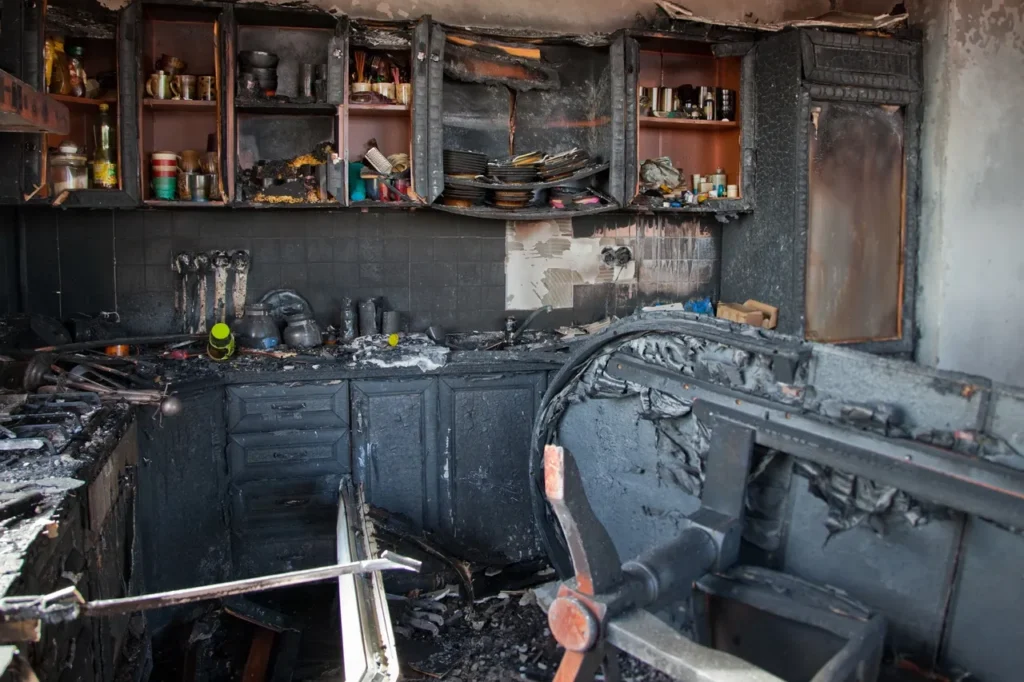
Comprehensive Guide to Fire Damage Restoration
Experiencing fire damage is one of the most devastating events for any property owner. Fires not only destroy belongings but can also compromise the structural integrity of buildings. Acting quickly and following a well-structured restoration process is essential to minimize damage and begin the path to recovery. This guide provides a step-by-step approach to fire damage restoration, ensuring safety, efficiency, and successful restoration.
What Are the First Steps After a Fire?
The immediate aftermath of a fire can be overwhelming. Here are the initial steps to take:
- Ensure Safety: Do not enter the property until it has been deemed safe by the fire department or other authorities. Structural damage and lingering smoke can pose serious risks.
- Contact Your Insurance Provider: Notify your insurance company immediately. Document the damage with photos and videos to support your claim.
- Secure the Property: Board up broken windows, tarps over exposed roofs, and secure doors to prevent further damage or unauthorized access.
- Call Fire Damage Restoration Professionals: Professionals have the tools and expertise to assess the extent of damage and begin the restoration process.
How Do You Assess Fire Damage?
Proper assessment is crucial for developing an effective restoration plan. Here’s how professionals evaluate fire damage:
- Structural Assessment: Inspect the foundation, walls, and roof for structural integrity.
- Smoke and Soot Analysis: Identify areas affected by smoke and soot, as these can cause long-term damage if not cleaned properly.
- Water Damage Inspection: Check for water damage resulting from firefighting efforts, as this can lead to mold growth.
How Do You Remove Smoke and Soot After a Fire?
Smoke and soot removal is a vital part of fire damage restoration. Here’s how to tackle it:
- Ventilation/Filtration: Open windows and use fans to remove lingering smoke odors or professional grade filtration devices to clean air and smoke odors.
- Deep Cleaning: Use specialized cleaning agents to remove soot from walls, ceilings, and other surfaces.
- HVAC Cleaning: When applicable, clean the HVAC system to prevent soot particles from spreading throughout the property.
What Are the Steps to Repair Fire-Damaged Structures?
Repairing structural damage is a critical phase of restoration. Follow these steps:
- Demolition and Debris Removal: Remove charred materials and debris to prepare for repairs.
- Reconstruction: Rebuild damaged walls, roofs, and other structures. Use fire-resistant materials where possible.
- Inspection and Safety Checks: Ensure all repairs meet safety standards and pass inspections.
How Do You Restore Personal Belongings After a Fire?
Some personal items may be salvageable with proper cleaning and care. Here’s what to do:
- Assess Salvageable Items: Sort through belongings to identify what can be cleaned or restored.
- Professional Cleaning: Use ultrasonic cleaning or other professional methods to restore items like electronics, fabrics, and documents.
- Dispose of Irreparable Items: Safely discard items that cannot be salvaged.
FAQ Section
1. How soon should I start fire damage restoration?
Fire damage restoration should begin as soon as it is safe to enter the property, ideally within 24-48 hours, to prevent further damage.
2. Can I clean up fire damage myself?
While minor soot can be cleaned with proper tools, extensive fire damage requires professional expertise to ensure thorough restoration.
3. Will my insurance cover fire damage restoration?
Most homeowner insurance policies cover fire damage. Consult your provider to understand your coverage and claims process.
4. What are the health risks of lingering smoke and soot?
Smoke and soot contain harmful particles that can cause respiratory issues, skin irritation, and other health problems if not properly removed.
5. How can I prevent future fire damage?
Install smoke detectors, keep fire extinguishers accessible, and ensure your property is up to code with fire-resistant materials.
By following these steps and working with experienced restoration professionals, you can effectively recover from fire damage. Acting promptly and taking preventive measures can help ensure the safety and longevity of your property.