// FIRE & SMOKE · CONTENTS DOCUMENTATION
Contents Documentation
Itemize what was affected before anything is discarded.
QUICK ANSWER
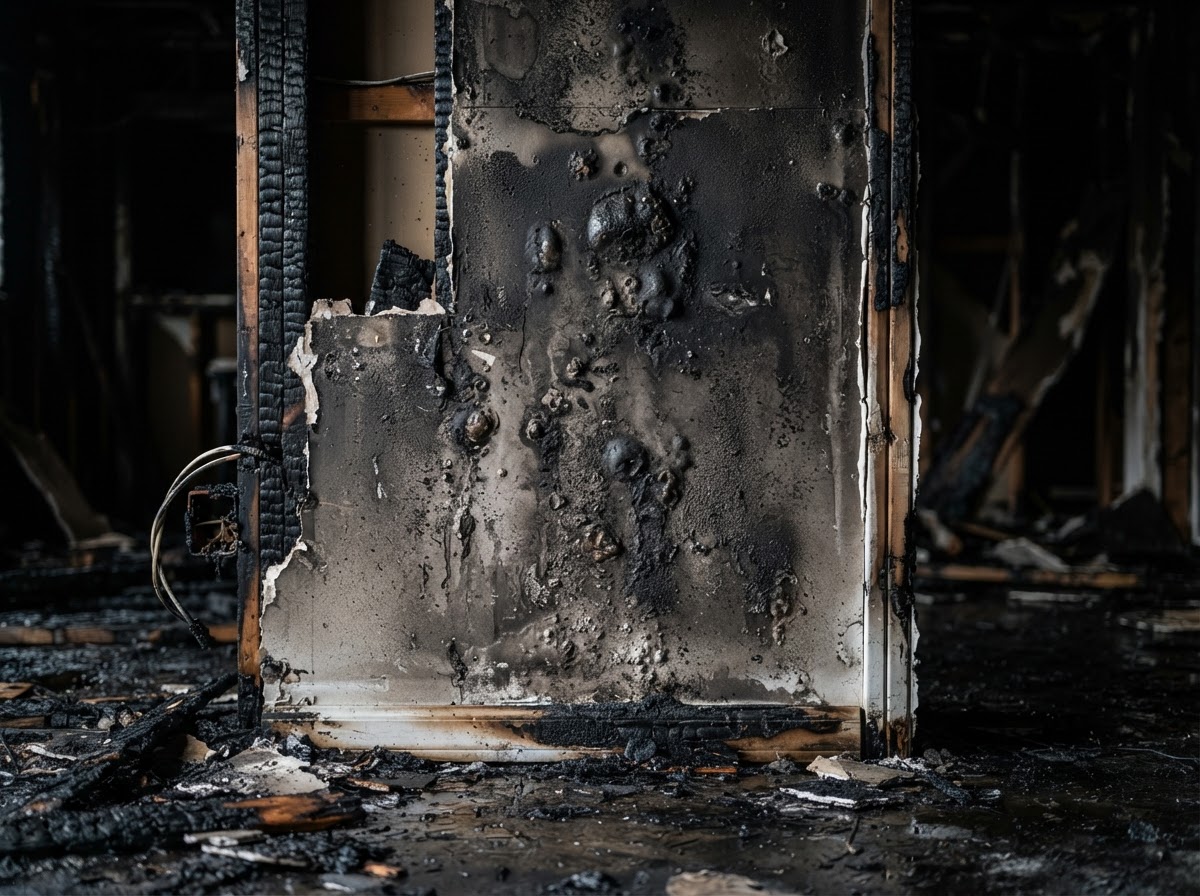
Contents documentation after a fire is the systematic, itemized recording of affected personal property — photographs, descriptions, condition, and location — before anything is cleaned, moved, or discarded. A complete contents record protects the property owner's ability to communicate the full value and scope of the loss.
// RELATED SERVICES
Scope of Work
SERVICE INVENTORY
- CONTENTS DOCUMENTATION
- ITEMIZED INVENTORY
- PHOTOGRAPHIC RECORD
- CONDITION ASSESSMENT
- SALVAGE VS. NON-SALVAGE DETERMINATION
- PACK-OUT DOCUMENTATION
- CLEANING DOCUMENTATION
- LOSS DOCUMENTATION
// ANSWER-FIRST CONTENT
Common Questions, Direct Answers
What is contents documentation after a fire?
Contents documentation is the systematic, itemized recording of affected personal property after a fire — photographs, written descriptions, condition, and location — performed before anything is cleaned, moved, or discarded. It creates a complete record of what was affected and its condition at the time of the loss.
Why document contents before discarding?
Once items are discarded, the evidence of what was lost and its condition is gone. Insurance and restoration parties need a record of affected contents to understand the full scope of the loss. Documenting first — with photos and a written inventory — preserves that record.
What should be photographed?
Every affected item, with wide shots showing the item in context and close-ups showing the damage. Group items by room, photograph contents before they are moved, and capture identifying details — brand, model, serial number where visible. The more complete the record, the stronger the documentation.
What is a contents inventory?
A contents inventory is a written, itemized list of affected personal property — item description, location, condition, and estimated age or value where known. Paired with photographs, it creates a record that can be understood by someone who was not on site, supporting insurance-loss communication.
What is the difference between salvageable and non-salvageable?
Salvageable items can be cleaned and restored to use; non-salvageable items are damaged beyond restoration. The assessment documents which category each item falls in and why — based on the type of damage, the material, and whether cleaning can address the contamination. This supports decisions about cleaning versus replacement.
How are contents cleaned after documentation?
After documentation, salvageable contents may be packed out and cleaned using methods appropriate to the material and the type of soot or smoke damage. The cleaning process and outcome are documented so there is a record of what was restored and what could not be restored despite cleaning.
Should contents be moved before documentation?
No. Contents should be documented in place — showing their location and condition at the time of the loss — before they are moved, cleaned, or discarded. Moving items first loses the context of where damage occurred and can make the record harder to interpret.
How does contents documentation help with insurance?
A complete, itemized, photographic record of affected contents provides objective evidence of what was lost and its condition — supporting the contents claim and the scope of cleaning or replacement. Documentation before disposal is far stronger than a list compiled after the fact.
// RELATED TOPICS & RESOURCES
// CREW RESTORATION
Request a Contents Documentation Assessment
Itemize what was affected before anything is discarded.
(813) 838-5961