
Guide to Storm Damage Restoration in Florida
Storms can wreak havoc on homes and businesses, especially in areas like Florida where storms frequently occur. High winds, heavy rain, and flooding can cause significant damage to properties, leaving owners stressed and uncertain about the next steps. This guide provides a comprehensive approach to storm damage restoration, helping you act swiftly and effectively to restore your property.
What Should You Do Immediately After a Storm in Florida?
Taking the right steps immediately after a storm can minimize damage and set the stage for an efficient restoration process. Here’s what to do:
- Ensure Safety: Before entering the property, check for hazards like downed power lines, structural damage, or standing water.
- Document the Damage: Take photos and videos of the storm damage for insurance purposes. This will help when filing claims.
- Contact Your Insurance Provider: Notify your insurer as soon as possible to begin the claims process.
- Protect Your Property: Cover broken windows, roof leaks, or other exposed areas with tarps or boards to prevent further damage.
- Call Professional Restoration Services: Restoration experts can assess the full extent of the damage and provide immediate assistance.
How Do You Handle Flooding and Water Damage After a Storm?
Flooding is a common issue after storms, especially in Florida. Here’s how to address it:
- Water Removal: Use pumps, wet/dry vacuums, or professional water extraction equipment to remove standing water.
- Dry the Area: Use fans, dehumidifiers, and ventilation to dry the property thoroughly.
- Sanitize and Disinfect: Clean surfaces with antimicrobial treatments to prevent mold and bacteria growth.
- Inspect for Hidden Damage: Check behind walls, under floors, and in attics for water damage.
How Can You Repair Wind Damage to Your Property?
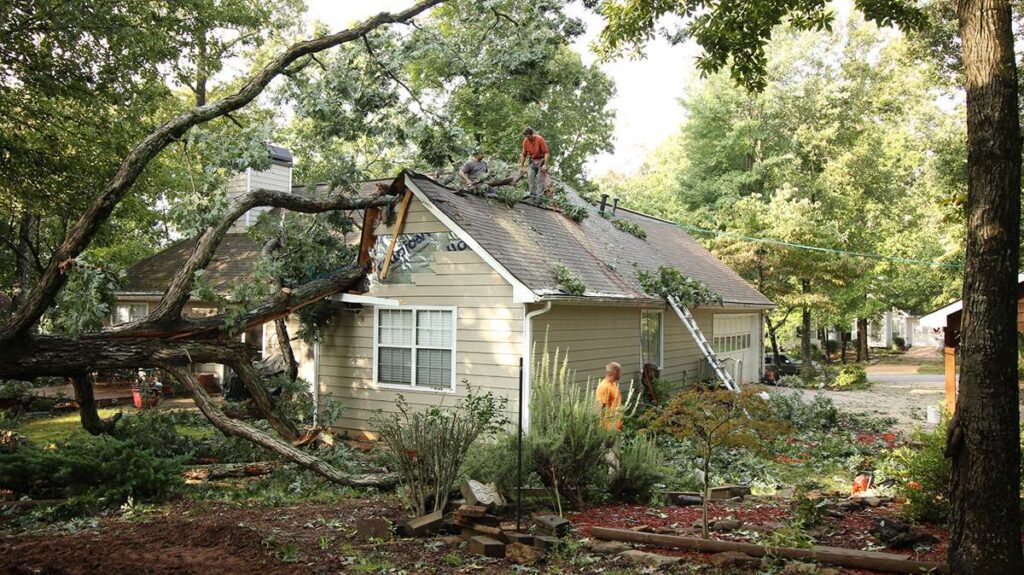
High winds can cause a variety of problems, from damaged roofs to broken windows. Follow these steps to repair the damage:
- Roof Repairs: Replace roofing material, patch leaks, and inspect the structure for stability.
- Window and Door Replacement: Repair or replace broken glass and damaged frames.
- Exterior Fixes: Address issues like torn siding, damaged gutters, and downed fences.
What Are the Steps for Restoring Storm-Damaged Interiors?
Storm damage often extends inside the property. Here’s how to handle interior restoration:
- Remove Damaged Materials: Tear out water-soaked drywall, insulation, and carpets.
- Dehumidify and Ventilate: Ensure the interior is completely dry before starting repairs.
- Rebuild and Repaint: Replace damaged materials and repaint to restore the property’s aesthetics.
How Can Florida Property Owners Prevent Future Storm Damage?
Preparation is key to minimizing future storm damage. Here are some tips:
- Install Storm Shutters: Protect windows and doors with durable shutters.
- Reinforce Roofs: Use hurricane straps and stronger roofing materials to withstand high winds.
- Maintain Landscaping: Trim trees and secure outdoor furniture to reduce the risk of flying debris.
- Elevate Utilities: Raise electrical systems and HVAC units above potential flood levels.
- Develop an Emergency Plan: Have a plan in place for evacuations and emergency contacts.
FAQ Section
1. What should I do if my property floods during a storm?
Remove standing water quickly, dry the area thoroughly, and contact restoration professionals to prevent mold and structural damage.
2. How do I know if my roof has storm damage?
Signs include missing shingles, leaks, or debris on the roof. A professional inspection can identify less obvious issues.
3. Will my insurance cover storm damage restoration?
Most policies cover storm damage, but coverage varies. Check with your provider for specific details.
4. How can I prevent mold growth after a storm?
Dry affected areas within 24-48 hours and use antimicrobial treatments to sanitize surfaces.
5. Are there specific building codes in Florida for storm protection?
Yes, Florida has strict building codes to enhance storm resistance. Ensure your property complies with these regulations.
By following these steps and working with professional restoration services, you can recover from storm damage and protect your property against future events. Acting quickly and staying prepared are the keys to safeguarding your home or business.