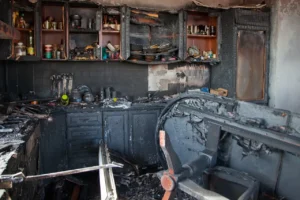


Introduction
Insurance provides individuals and businesses with a vital safety net against unexpected losses. Whether the loss stems from property damage, theft, natural disasters, or other covered events, the process of claiming insurance is more than just notifying the insurer. One of the most critical aspects of this process is loss documentation. Proper documentation not only substantiates the claim but also expedites the settlement process and ensures fair compensation.
Understanding Loss Documentation
Loss documentation refers to the systematic recording and gathering of evidence that demonstrates the nature, extent, and impact of the insured event. This includes photographs, receipts, repair estimates, police reports, and other relevant records. Accurate documentation serves as proof of loss and is essential for insurers to evaluate, verify, and process claims efficiently.
Why Is Loss Documentation So Important?
Proof of Loss:
Insurers require clear evidence that a loss has occurred and that it is covered under the terms of the policy. Without adequate documentation, claims may be delayed, reduced, or even denied.
Determining Extent and Value:
Documentation helps establish the extent of the damage and the monetary value of the loss. This is crucial for the insurer to calculate the appropriate compensation.
Preventing Fraud:
Thorough records help prevent fraudulent claims by providing concrete evidence of the event and its consequences. This protects both the insurer and honest policyholders.
Expediting Claims Processing:
Well-organized documentation allows for faster claim assessment and settlement, reducing the time policyholders must wait for reimbursement or repairs.
Supporting Appeals:
If a claim is disputed or denied, comprehensive documentation serves as a foundation for appeals and further negotiations with the insurer.
Best Practices for Effective Loss Documentation
· Take clear, dated photographs or videos of the damage or loss as soon as possible.
· Gather and keep receipts, invoices, and proof of purchase for affected items.
· Obtain official reports (such as police or fire department reports) when applicable.
· Maintain a written account of the incident, including time, date, and circumstances.
· Keep copies of all correspondence with the insurance company.
Conclusion
Loss documentation is not merely a procedural requirement; it is the backbone of a successful insurance claim. By providing clear, thorough, and timely evidence, policyholders can ensure their claims are processed efficiently and fairly. In the absence of proper documentation, even legitimate claims may face challenges, delays, or denials. Therefore, meticulous loss documentation is indispensable for protecting one’s financial interests and securing the benefits that insurance promises.