// WATER DAMAGE · STRUCTURAL DRYING
Structural Drying
Calculated airflow, dehumidification, and monitoring — until materials are dry.
QUICK ANSWER
Structural drying is the calculated combination of water extraction, air movement, dehumidification, and moisture monitoring used to remove water from building materials after a loss. Equipment is positioned to create balanced airflow across wet surfaces while dehumidifiers pull moisture out of the air, and daily readings confirm the structure is returning to a dry standard.
// RELATED SERVICES
Scope of Work
SERVICE INVENTORY
- STRUCTURAL DRYING
- WATER EXTRACTION
- AIR MOVEMENT
- DEHUMIDIFICATION
- MOISTURE MONITORING
- DRYING VERIFICATION
- DAILY DOCUMENTATION
- DRY STANDARD VERIFICATION
// ANSWER-FIRST CONTENT
Common Questions, Direct Answers
What is structural drying?
Structural drying is the controlled process of removing water that has absorbed into building materials after a water loss. It combines extraction, air movement, dehumidification, and moisture monitoring to return the structure to a dry standard — not just dry to the touch.
How does structural drying work?
First, as much water as possible is extracted physically. Then air movers create airflow across wet surfaces to drive moisture out of materials, and dehumidifiers pull that moisture out of the air. Daily moisture readings confirm the structure is drying toward the established dry standard.
How long does structural drying take?
Most structural drying projects run several days, but the exact time depends on the amount of water, the materials affected, humidity, and airflow. Dense materials and higher-class losses take longer. Daily moisture monitoring tells you exactly when materials have reached a dry standard rather than guessing.
What equipment is used for structural drying?
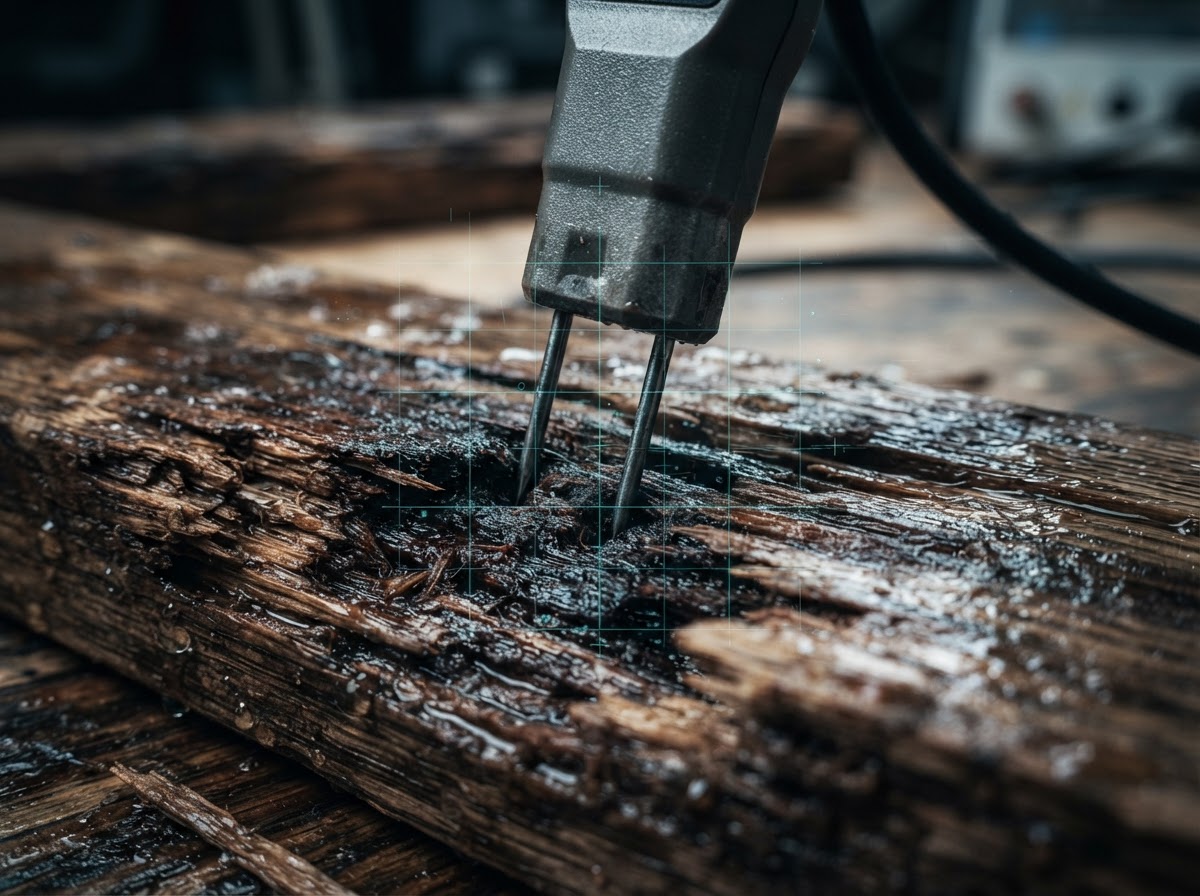
Typical equipment includes extraction tools, air movers (commercial-grade fans), refrigerant or desiccant dehumidifiers, and moisture meters and thermo-hygrometers for monitoring. The setup is calculated based on the class of water loss and the materials affected.
What is a dry standard?
A dry standard is the target moisture condition for the structure — usually based on the moisture content of unaffected materials of the same type in the same building. Structural drying continues until affected materials reach that standard, confirmed by daily moisture readings.
Why not just open windows and use a fan?
In humid environments, outside air can add moisture rather than remove it. Professional structural drying uses a calculated balance of airflow and dehumidification to pull moisture out of materials and out of the air, and it verifies progress with moisture readings — something household fans cannot do.
How is structural drying documented?
Daily moisture readings, ambient temperature and humidity conditions, and the equipment in place are recorded over the project. This produces a documented record of the wet-to-dry progression that supports the scope of work and the conditions at the property.
Can structural drying prevent mold?
Prompt, monitored structural drying is the most effective way to prevent mold growth after a water loss. By removing moisture from materials quickly — before the 24–48 hour window in which mold can begin — drying limits the conditions mold needs to develop.
// RELATED TOPICS & RESOURCES
// CREW RESTORATION
Request a Structural Drying Assessment
Calculated airflow, dehumidification, and monitoring — until materials are dry.
(813) 838-5961